
Discover how pollinator balconies in Indian cities support bees, butterflies, and urban biodiversity. Learn the best plants and easy gardening tips.
No schema found.By Mithi Chinoy
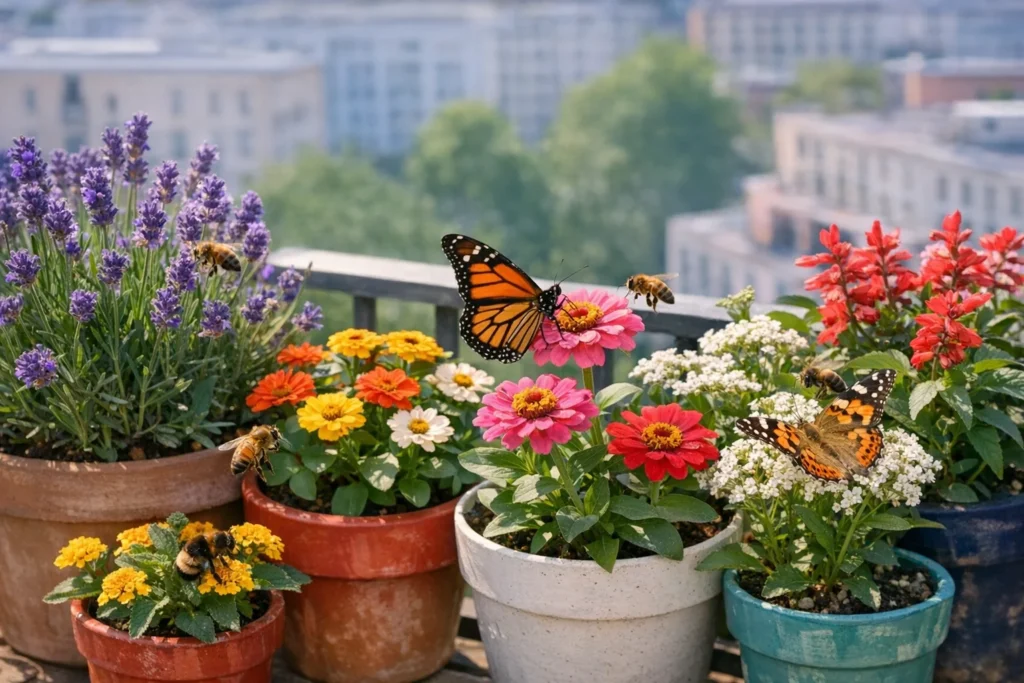
Pollinator balconies in Indian cities are quietly transforming the way city dwellers think about their outdoor spaces. Step onto an apartment balcony in Bengaluru, Hyderabad, Pune, or Mumbai these days, and you’ll notice something changing.
Alongside the usual money plants and succulents, more people are growing nectar-rich flowers, native herbs, and butterfly-friendly plants. Tiny bees hover around tulsi flowers. Butterflies pause on marigolds. Sunbirds visit hibiscus blooms early in the morning.
These are called pollinator balconies — small urban spaces designed to attract and support pollinators like bees, butterflies, moths, and birds.
At first, pollinator balconies in Indian cities may look like just another balcony gardening trend. But they point to something deeper — a growing realization that cities need nature too.
As Indian cities become more crowded and concrete-heavy, pollinator populations are quietly declining. A 2017 study on pollinators in Odisha reported sharp declines in several native bee species over the past 10–25 years, with some species such as Amegilla bees declining by up to 90% in certain areas.
At the same time, urban gardening and eco-conscious living are becoming more popular, especially among younger city residents looking to reconnect with nature.
This is where balcony gardening in India start to matter. Even a handful of flowering pots can give bees and butterflies a place to pause, feed, and survive in cities where green spaces are disappearing fast.
What Exactly Is a Pollinator Balcony?
A pollinator balcony is more than a decorative plant corner. It’s a balcony intentionally designed to provide nectar, pollen, shelter, and water for pollinators.
Instead of focusing only on aesthetics, pollinator balconies prioritize plants that bees and butterflies can actually use. This usually includes nectar-rich flowers, native flowering plants, herbs that bloom, and pesticide-free gardening.
The idea is simple — turn a small balcony into a tiny ecosystem that supports life.
And even very small balconies can help.
Research on urban biodiversity in India shows that small green spaces can support pollinator movement across cities and act as “stepping stones” between fragmented habitats.
That matters because pollinators are essential to ecosystems. Around 80% of flowering plant species rely on pollination, and roughly one out of every three bites of food humans eat depends on pollinators in some way.
So the butterfly stopping by your balcony isn’t just a pretty sight. It’s part of a much larger ecological story unfolding quietly inside cities.
Why Indian Cities Need Pollinator-Friendly Spaces
Most Indian cities have changed dramatically over the past two decades. Open spaces have shrunk. Native vegetation has disappeared. Roads, glass buildings, and heat-trapping concrete now dominate urban landscapes.
For pollinators, that creates a serious challenge. Butterflies, bees, and other insects depend on flowering plants, nesting spaces, seasonal biodiversity, and safe ecological corridors. When these disappear, pollinator populations begin to fall.
Climate change is making things worse. Rising temperatures and shifting flowering cycles are disrupting the relationship between plants and pollinators.
Yet cities can also become surprising safe spaces for pollinators.
Some experts now believe urban biodiversity in Indian cities can actually be supported through balconies, terraces, and home gardens — spaces that often contain more diverse flowering plants and fewer pesticides than industrial farms.
It’s a surprisingly hopeful shift. The idea that a sixth-floor apartment balcony could support biodiversity would have sounded strange a decade ago. Today, it’s becoming part of a growing urban ecological movement.
Why Pollinator Balconies Are Suddenly Trending
Part of this trend comes from changing lifestyles. After years of hyper-digital living, many urban residents are craving slower routines, connection with nature, mindful hobbies, and greener homes.
Gardening became hugely popular after the pandemic, especially in apartments and small homes. But increasingly, people are moving beyond ornamental gardening toward ecological gardening.
Instead of asking “What plant looks good?” they’re asking “What plant supports butterflies, bees, and birds?”
Indian gardening media has also started noticing this shift. The pollinator balcony trend has gained traction among urban gardeners looking to support biodiversity in small spaces — and once you experience it yourself, it makes complete sense.
Watching the same butterfly return to your balcony every morning creates a quiet kind of joy that’s hard to explain.
Best Bee-Friendly Plants for Indian Balconies
You don’t need dozens of plants to create a pollinator balcony in India. Even a few nectar-rich flowers can make a real difference.
Tulsi (Holy Basil)
One of the best bee-friendly plants for balconies. When tulsi blooms, it naturally attracts bees, besides other beneficial insects.
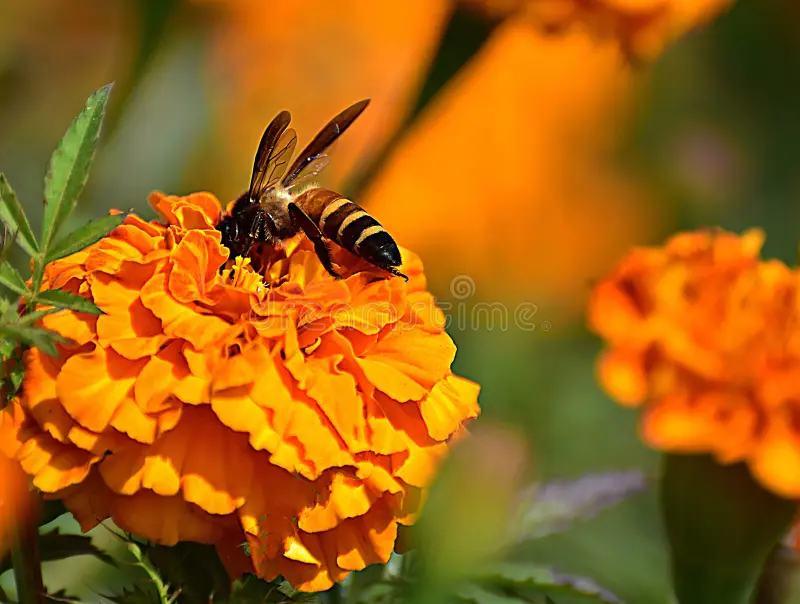
Marigold
Easy to grow and excellent for attracting insects.
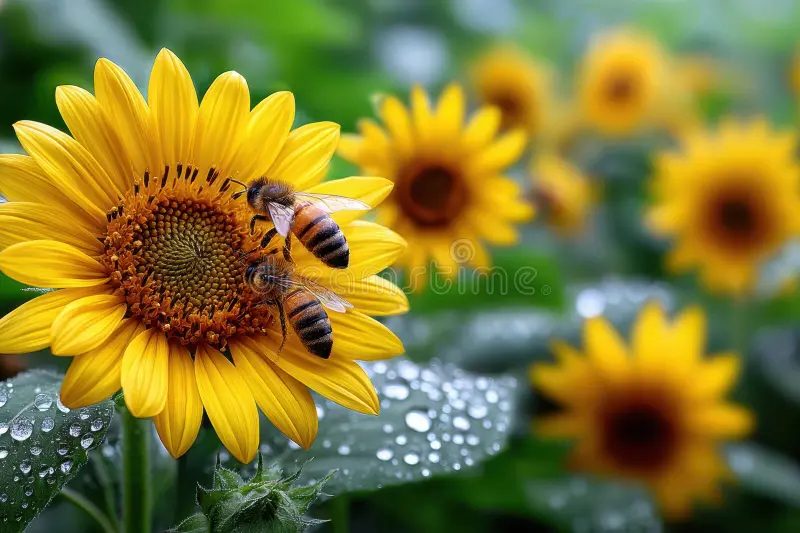
Sunflower
Provides pollen and seeds while adding height and color to balconies.
Salvia
A favorite among bees because of its tubular flowers.
Lavender
Though not native, bees love it in cooler Indian climates.
Best Butterfly-Friendly Flowers
Butterfly Pea (Aparajita)
A fast-growing climber with striking blue flowers that butterflies love. It also handles Indian heat well.
Cosmos
Light, airy flowers that attract butterflies throughout the blooming season.
Zinnias
Though not native, bees love it in cooler One of the easiest flowers for beginners. Butterflies are especially drawn to their bright colors.
Verbena
Produces clusters of nectar-rich blooms over long periods.
Milkweed
Important for supporting certain butterfly species and is increasingly discussed in pollinator gardening circles.
Native Indian Plants That Support Pollinators
This is where many gardeners are rethinking what they grow. Many native plants for Indian gardens are actually better for pollinators than expensive imported ornamentals. Plants like curry leaf, tulsi, agathi, Indian borage, and Leucas aspera are excellent pollinator-friendly choices.
Local pollinators evolved alongside these plants for generations, which is why native Indian plants that attract bees and butterflies often outperform exotic species while needing far less maintenance.
How Do Pollinator Balconies Help Urban Biodiversity?
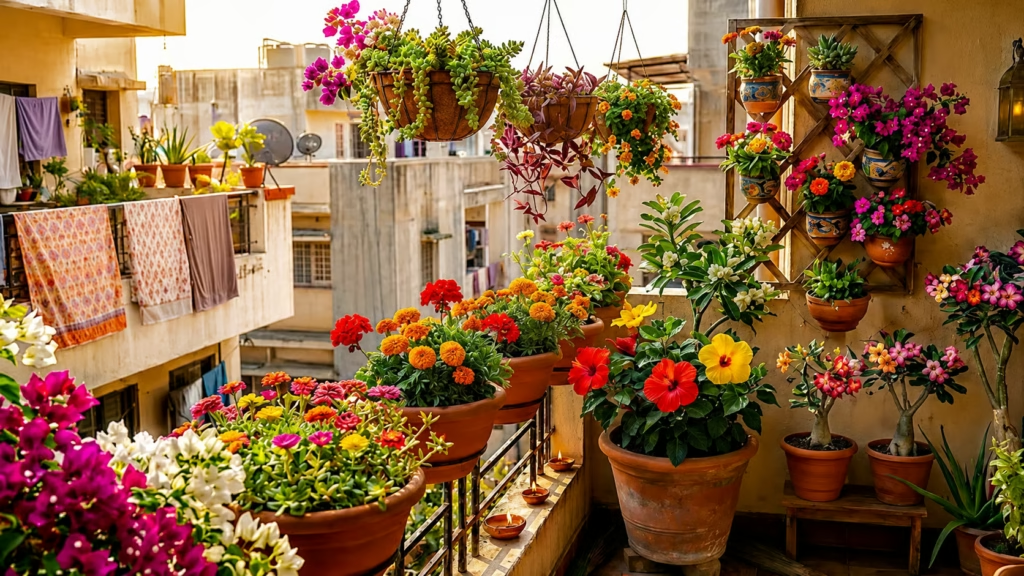
Photo by Urvann.com
One common misconception is: “My balcony is too small to matter.”
But small balcony gardens can support urban biodiversity in India in ways that add up significantly. Pollinators move constantly through cities searching for nectar sources. A balcony with flowering plants can act as a small feeding station in an otherwise concrete environment.
When hundreds or thousands of balconies across a city begin supporting pollinators, the collective ecological impact becomes meaningful. Even a tiny space can provide nectar during harsh summers, support migrating butterflies, help urban bees survive, and create micro-habitats for insects.
In a way, pollinator balconies work like tiny green bridges across the city, helping insects move through otherwise concrete-heavy spaces. And unlike large sustainability projects, this is something ordinary people can actually do.
How to Create a Pollinator Balcony in India
You don’t need a huge budget or expert gardening skills. Here’s how to start a pollinator-friendly balcony garden in even the smallest apartment space:
- Choose Nectar-Rich Plants — Focus on flowering plants instead of only foliage plants.
- Prioritize Native Species — Native flowers usually support more local pollinators.
- Avoid Chemical Pesticides — Pesticides are one of the biggest threats to pollinators globally.
- Add a Small Water Source — A pebble-filled water dish gives pollinators a safe place to land and drink.
- Plant Flowers Across Seasons — This helps pollinators find food throughout the year.
- Let Some Herbs Flower — Knowing which herbs to grow on a balcony to attract bees in India makes a big difference: tulsi, mint, coriander, and basil flowers are all excellent choices.
Most importantly, don’t overcomplicate it. Pollinator balconies are not meant to look perfectly manicured all the time. A little wildness is part of the ecosystem.
Also read
How To Turn Any Garden Into a Magnet for Birds, Butterflies & Natural Beauty
The ‘pollinator balcony’ trend every Indian gardener should know about
How To Prepare Your Balcony Garden To Attract Pollinators This Winter
Why Native Flowers Matter More Than Imported Decorative Plants
Walk into many urban plant stores today and you’ll see imported ornamental flowers everywhere. They may look beautiful, but many offer little nectar or ecological value.
Native flowers for Indian gardens, on the other hand, tolerate local climates better, need less water, support local insects, and strengthen biodiversity. They’re also deeply connected to Indian landscapes and memories.
Jasmine. Parijat. Hibiscus. Kanakambaram. Ixora.
These flowers are not just decorative. They’re part of India’s ecological and cultural fabric. And increasingly, younger urban gardeners are rediscovering them — and choosing to buy native pollinator plants over imported ornamentals.
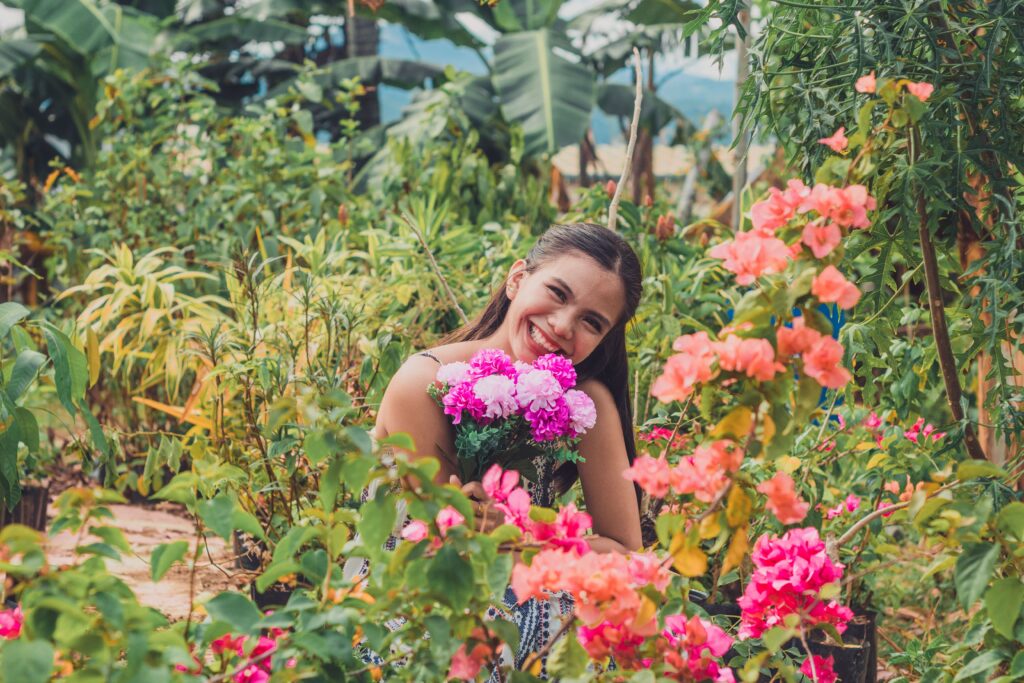
The Emotional Side of Pollinator Balconies
What makes pollinator balconies meaningful is that they’re not only about ecology. They also change how people experience urban life.
A balcony filled with flowers changes the rhythm of everyday life a little. You begin noticing butterfly seasons, bird calls, morning sunlight, flowering cycles, and tiny ecological rhythms.
In cities built around speed and screens, that reconnection with nature feels surprisingly powerful. Maybe the appeal of pollinator balconies isn’t really about environmental activism alone. Many people simply miss feeling connected to nature in their everyday lives.
Takeaway
Pollinator balconies in Indian cities may seem small, but they represent a larger shift in how urban Indians think about nature. Instead of seeing cities and biodiversity as separate, more people are beginning to realize they can coexist — even in tiny apartment spaces.
One flowering pot may not change the world overnight. But if thousands of bee-friendly balcony gardens across Indian cities begin supporting butterflies, bees, and native plants, the impact could be extraordinary.
And perhaps the most beautiful part of this movement is that it starts quietly: with a flower, a bee, and someone deciding to make space for nature again.
FAQs
What is a pollinator balcony?
A pollinator balcony is a balcony garden intentionally designed to attract and support pollinators like bees, butterflies, moths, and birds. Unlike purely decorative gardens, pollinator balconies prioritize nectar-rich flowers, native plants, and pesticide-free practices that help urban biodiversity thrive.
Which are the best butterfly-friendly flowers for Indian balconies?
Some of the best butterfly-friendly flowers for Indian balconies include Butterfly Pea (Aparajita), Zinnias, Cosmos, Verbena, Marigolds, and Milkweed. Since these flowers are brightly colored and rich in nectar, butterflies are attracted to them.
Can a small apartment balcony really attract bees and butterflies?
Yes — even a very small balcony can attract bees and butterflies if you grow the right plants. Adding a few nectar-rich flowers, letting herbs like tulsi and basil flower, and keeping the space pesticide-free can make a surprisingly big difference, even on a compact urban balcony.
What are the best bee-friendly plants for balconies in India?
Some excellent bee-Tulsi (Holy Basil), Marigold, Salvia, Sunflower, and Lavender are all excellent bee-friendly plants for Indian balconies. Herbs like coriander and mint also become powerful pollinator magnets when allowed to flower. As a general rule, bees tend to respond best to plants that are native to their habitat.
Are native flowers better than imported ornamental plants for pollinators?
In most cases, yes. Native flowers for Indian gardens are better suited to local climates, need less water and care, and tend to produce richer nectar than many imported ornamentals. Since these plants and local pollinators have shared the same ecosystem for generations, they recognize and return to them far more reliably than they do to exotic species.
How do pollinator balconies help urban biodiversity in Indian cities?
Pollinator balconies create small ecological feeding stations in otherwise concrete-heavy environments. When many balconies across a city support pollinators, they collectively act as green stepping stones that help bees, butterflies, and other insects move between fragmented habitats — meaningfully supporting urban biodiversity over time.
Great content! Keep up the good work!
Thanks EXoWatts