
Boost freelancer productivity with practical time management tips, deep work strategies, AI tools, and burnout prevention techniques.
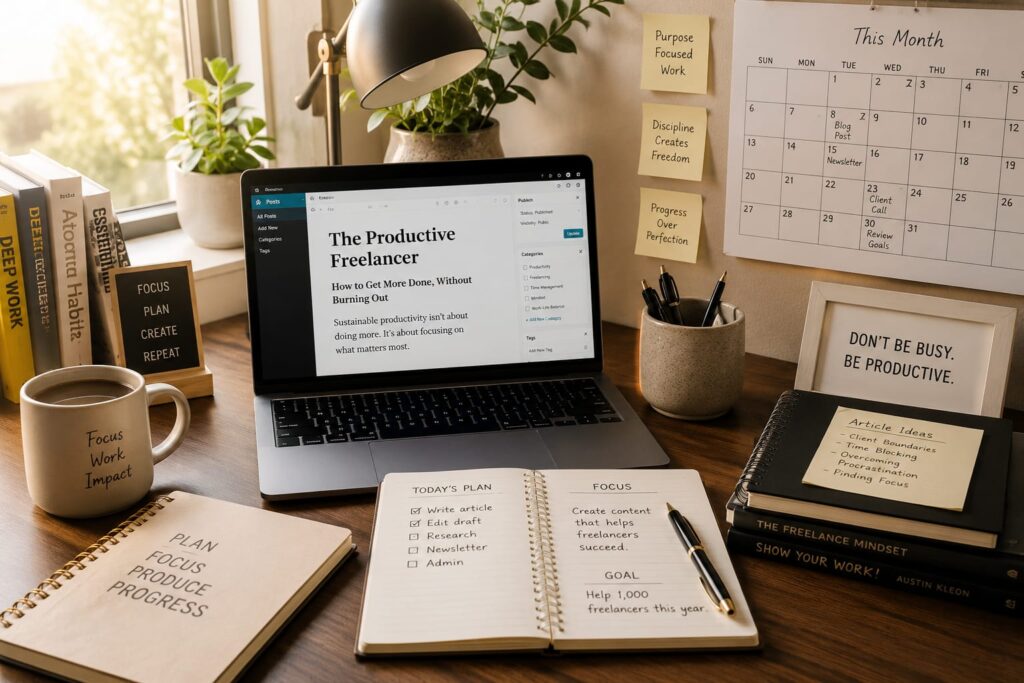
Ever finish a busy day only to realize you’ve barely touched your most important client work?
You’re not alone.
Improving freelancer productivity is one of the biggest challenges independent professionals face today. Between managing multiple clients, tight deadlines, meetings, and administrative responsibilities, it’s easy to stay busy without making meaningful progress.
Here’s the truth: freelancer productivity isn’t about working longer hours. It’s about building systems that help you focus on high-value work and get more done in less time.
Freelancer productivity is the ability to consistently complete meaningful work while efficiently managing your time, energy, and client commitments. The most productive freelancers rely on structured workflows, prioritization methods, automation, and healthy work habits—not sheer hustle.
And when it comes to time management for freelancers, having the right productivity systems in place can make the difference between constantly feeling overwhelmed and consistently meeting deadlines without burnout.
In this guide, you’ll learn:
- Eight proven productivity strategies
- The best tools to use in 2026
- Practical ways to avoid burnout while growing your freelance business
What Is Freelancer Productivity?
Productivity isn’t about checking dozens of tasks off a list. It’s about consistently making progress on work that moves your business forward.

Photo courtesy: Ahmad Saepul Hidayat/Pixabay.com
Being Busy vs. Being Productive
Busy freelancers spend their day:
- Replying to emails
- Attending meetings
- Checking messages
- Switching between projects
Productive freelancers focus on:
- Revenue-generating work
- Delivering client projects
- Deep work sessions
- Strategic business growth
Key Productivity Metrics to Track
| Metric | Why It Matters |
| Billable hours | Measures income-producing work |
| Project completion rate | Tracks delivery efficiency |
| Revenue per hour | Shows profitability |
| Deep work hours | Measures focused productivity |
Suggested Visual: Simple infographic showing “Busy Work vs Productive Work.”
Why Freelancers Struggle With Productivity
Freelancing offers freedom, but it also creates challenges traditional employees rarely face. Unlike a conventional workplace, there are no fixed schedules, managers, or built-in systems to keep you accountable and on track.
With multiple clients, competing priorities, and daily admin tasks, it’s easy to lose focus on meaningful work. The good news is that most productivity challenges can be solved with the right habits, workflows, and time management systems. All you need to do is to automate repetitive tasks as a freelancer and you save about two to three hours a day.
Here are some of the leading productivity challenges freelancers face:
Lack of Structure
Without managers, office schedules, or accountability systems, it’s easy to lose focus.
Constant Context Switching
Moving between clients, projects, emails, and meetings drains mental energy and reduces concentration.
Scope Creep
Unexpected requests can quickly derail a carefully planned workday.
Wearing Too Many Hats
Most freelancers act as marketer, accountant, project manager, customer support representative, and service provider simultaneously.
Digital Distractions
Notifications, social media, and constant communication create interruptions that fragment attention.
Key Takeaway: Productivity problems are usually system problems—not motivation problems.
Also read:
Boost Productivity by 60% with Walking Meetings
AI Tools For Freelancers to Skyrocket Productivity in 2025
8 Proven Productivity Methods for Freelancers
As a freelancer, I’ve tried my fair share of productivity hacks—some were helpful, while others quickly fell by the wayside. These are the productivity methods I’ve personally used to stay focused, work efficiently, and avoid burnout.
If you’re looking for practical strategies that actually work in the real world, start here.
1. Use the Two-Minute Rule
Popularized by David Allen in Getting Things Done, the Two-Minute Rule is simple:
If a task takes less than two minutes, do it immediately. This prevents small tasks from accumulating and creating mental clutter.
Quick Start: Spend 15 minutes today clearing all pending two-minute tasks.
2. Use the Pomodoro Technique for Deep Focus
Created by Francesco Cirillo, the Pomodoro Technique uses focused work intervals followed by short breaks.
How It Works
- Work for 25 minutes
- Take a 5-minute break
- Repeat four times
- Take a longer 20–30 minute break
This method helps reduce procrastination and prevents mental fatigue.
Best for: Writers, designers, developers, and anyone doing focused creative work.
Quick Start: Complete just two Pomodoro sessions tomorrow morning before checking email.
3. Batch Similar Tasks Together
Task switching kills productivity. Instead of alternating between writing, emails, calls, and admin work, group similar activities into dedicated blocks.
Examples:
- Email block
- Content creation block
- Client meeting block
- Admin block
Batching reduces mental switching costs and improves efficiency.
Quick Start: Schedule one daily email block instead of checking inboxes throughout the day.
4. Identify Your Most Important Task (MIT)
Every morning, identify the one task that would make the day successful if completed.
Ask yourself:
“If I only finish one thing today, what should it be?”
Start with that task before opening email or social media. This simple habit creates momentum and ensures meaningful progress.
Quick Start: Write tomorrow’s MIT before ending today’s workday.
5. Use AI and Automation Strategically
AI has become one of the biggest productivity advantages for freelancers in 2026.

Photo courtesy: Photo by Andreea Avramescu on Unsplash.com
Tasks AI Can Help With
- Research
- Brainstorming
- Outlining content
- Meeting summaries
- Draft emails
- Proposal creation
Tasks Worth Automating
- Scheduling
- Client onboarding
- Follow-up emails
- Invoicing
- File organization
Tasks That Still Need Human Expertise
Read more: How to Improve Freelancer Productivity in 2026: 8 Proven Strategies to Avoid BurnoutTable of Contents
- Strategy
- Relationship building
- Creative decision-making
- Final editing
- Client communication
The goal isn’t replacing your expertise—it’s removing repetitive work.
Quick Start: Automate one recurring task this week.
6. Set Clear Goals and Priorities
Many freelancers struggle because everything feels urgent. Instead, break large projects into smaller milestones.
Here’s a simple framework:
- Quarterly goal
- Monthly target
- Weekly priorities
- Daily action items
This keeps your workload manageable and focused.
Quick Start: Choose one quarterly business goal and identify this week’s next step.
7. Build a Distraction-Free Workspace
Your environment directly affects your ability to focus.
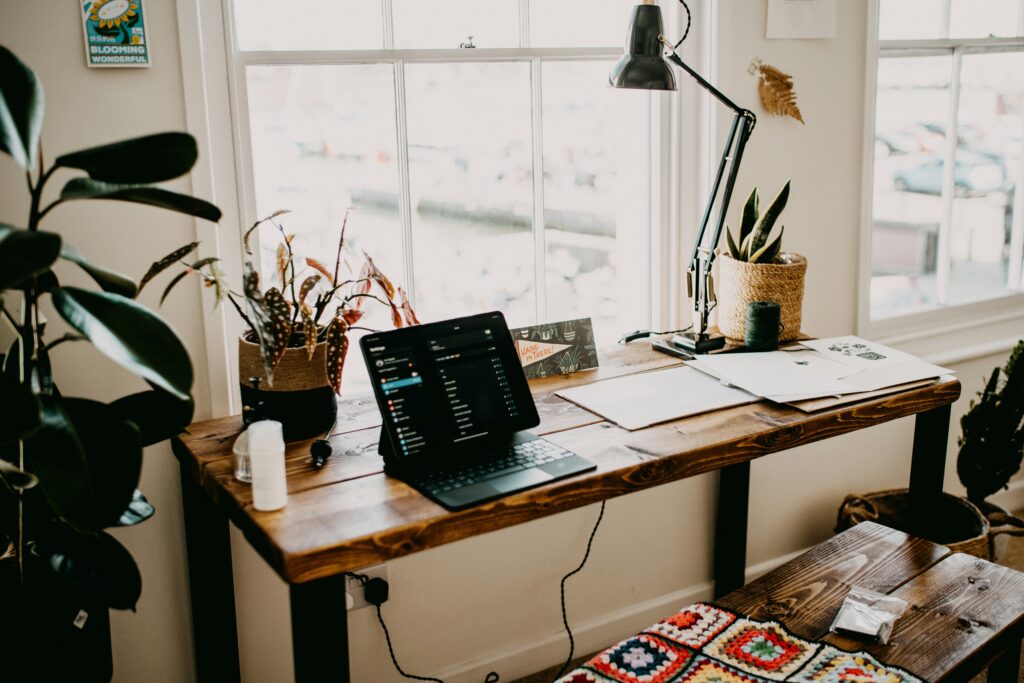
Photo by Annie Spratt on Unsplash.com
Physical Workspace
- Dedicated work area
- Comfortable chair
- Good lighting
- Minimal clutter
Digital Workspace
- Silence notifications
- Close unused tabs
- Block distracting websites
- Keep only essential tools open
Even small changes can dramatically improve concentration.
Quick Start: Remove the top three distractions from your workspace today.
8. Use Mindful Transitions Between Tasks
Many freelancers rush from one task to another without giving their brains time to reset. A short pause can improve focus and reduce stress.
Try:
- Deep breathing
- Stretching
- Walking for two minutes
- Reviewing completed work
These brief resets help you approach the next task with fresh attention.
Quick Start: Add a two-minute transition between major tasks.
How to Choose the Right Freelancer Productivity Method
Not every productivity system works for everyone.
| Method | Best For | Time Investment |
| Two-Minute Rule | Small admin tasks | Very Low |
| Pomodoro | Deep focus work | Low |
| Batch Working | Multiple clients | Medium |
| MIT Method | Prioritization | Low |
| AI Automation | Repetitive tasks | Medium |
| Goal Framework | Long-term planning | Medium |
Best Productivity Tools for Freelancers in 2026
While freelancer productivity ultimately comes down to habits and systems, the right tools can make those systems much easier to maintain. From project management to AI assistance, these productivity tools for freelancers can help you work more efficiently and stay organized.
Project Management
- Notion
- Trello
- Asana
Time Tracking
- Toggl
- Clockify
Focus Tools
- Focus Booster
- Pomodone
- RescueTime
AI Productivity Tools
- ChatGPT
- Claude
- Gemini
The best tool is the one you’ll actually use consistently.
A Simple Daily Productivity Routine
Morning
- Review goals
- Identify MIT
- Complete 2–3 deep work sessions

Photo courtesy: Vitaly Gariev on Unsplash.com
Afternoon
- Client communication
- Meetings
- Administrative tasks
End of Day
- Review progress
- Plan tomorrow
- Clear small tasks
This structure helps separate deep work from reactive work.
How to Avoid Freelancer Burnout
Freelancing often encourages a “work more, earn more” mindset, but pushing yourself too hard can quickly lead to exhaustion and declining performance. Sustainable productivity comes from maintaining a healthy balance between work, rest, and personal well-being.
By recognizing the early signs of burnout and adopting healthy work habits, you can protect your energy, stay motivated, and continue delivering your best work over the long term. Here are some practical strategies you can use to avoid freelancer burnout and maintain a healthier, more sustainable work routine.
Watch for these warning signs:
- Constant exhaustion
- Difficulty concentrating
- Loss of motivation
- Irritability
- Declining work quality
To prevent burnout:
- Set work boundaries
- Avoid overbooking clients
- Schedule recovery time
- Take regular breaks
- Track your energy, not just your hours
Deep work for freelancers is often more valuable than long working hours. Most successful freelancers focus on 4–6 hours of uninterrupted, high-quality work rather than trying to work all day.
Frequently Asked Questions
What is the best productivity technique for freelancers?
The Pomodoro Technique remains one of the most effective productivity tips for freelancers because it combines focused work sessions with regular recovery breaks, helping reduce procrastination and mental fatigue.
How can freelancers stay productive without burning out?
Freelancers can stay productive without burning out by setting realistic workloads, taking regular breaks, maintaining clear work boundaries, and focusing on high-impact tasks rather than trying to work longer hours.
How many hours should freelancers work each day?
Most freelancers achieve better results with 4–6 hours of focused work rather than 8–10 hours of distracted work. Quality and concentration often matter more than the total number of hours worked.
How do freelancers manage multiple clients and deadlines?
Successful freelancers manage multiple clients and deadlines by prioritizing tasks, using project management tools, batching similar work, and maintaining a clear schedule. Effective time management for freelancers plays a crucial role in meeting deadlines consistently.
How do freelancers manage multiple clients?
By batching similar tasks, using project management systems, and prioritizing the most important work first. Clear communication and realistic timelines also help prevent overwhelm.
What productivity tools help freelancers work faster?
Popular productivity tools for freelancers include Notion, Trello, Asana, Toggl, and Clockify, along with AI tools that help streamline research, planning, and routine administrative work.
Can AI help freelancers save time?
Yes. AI can assist with research, content planning, summaries, administrative tasks, email drafting, and workflow automation, allowing freelancers to focus more on high-value work.
How do freelancers avoid burnout?
Freelancers avoid burnout by maintaining work-life boundaries, scheduling breaks, managing workloads realistically, avoiding overbooking, and focusing on sustainable productivity habits.
Final Thoughts
The most productive freelancers aren’t necessarily the ones working the longest hours. They’re the ones who build systems that help them focus on meaningful work consistently. Strong freelancer productivity comes from creating habits, workflows, and routines that support focused, high-value work.
Over time, those small improvements compound into better client results, less stress, and a more sustainable freelance business. By prioritizing freelancer productivity, you can achieve more without sacrificing your well-being.
Ready to work smarter, not harder? Choose one productivity method from this guide today and start building a more focused, profitable, and sustainable freelance business.